SHARE

The End of MVP Culture? Why Startups Are Choosing Native Again: 2026 Reality Check

It’s 2026. For years, MVP (Minimum Viable Product) was the default for startup launches. Build fast, test in public, and iterate later. But the game has changed. Startups, investors, and users all want more. Is it the end of MVP culture? Let’s break down the reality, reveal why “MVP is dead” trends matter, and unpack why native experiences are winning out in today’s startup scene.
Table of Contents
What Does “End of MVP Culture” Mean in 2026?
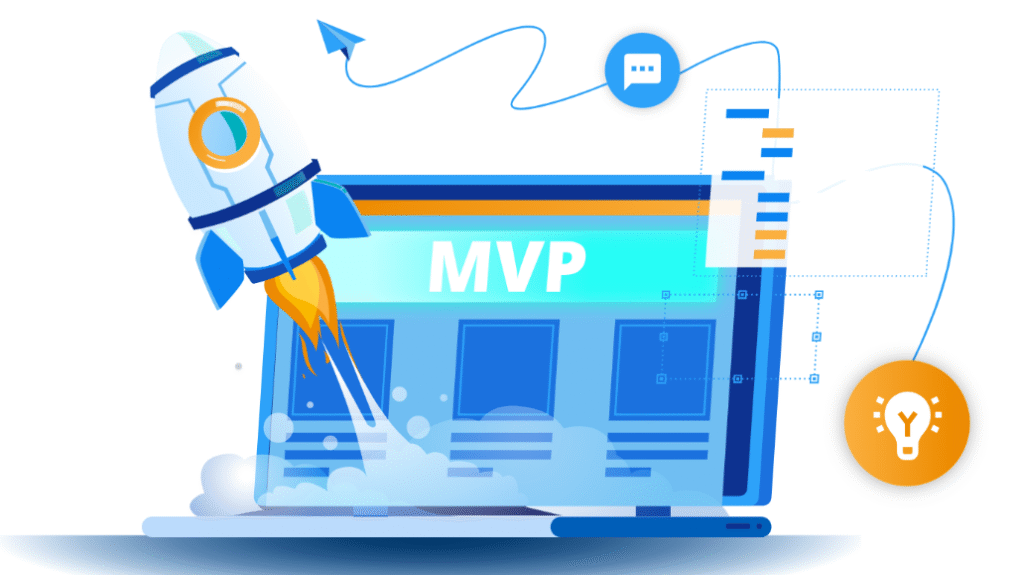
The MVP approach, ship a barebones product, measure user interest, and iterate, once fit perfectly with lean budgets and uncertain markets. But somewhere along the way, MVP became synonymous with “just ship something, no matter how rough.” Users got tired of buggy launches. Founders saw low engagement. And product managers realized the MVP label sometimes covered up subpar quality and user experience.
What’s changed today?
- User expectations: People demand smooth, polished products on day one.
- Technology tools: Building native apps quickly (even cross-platform) now rivals MVP time-to-market.
- Competitive landscape: Hundreds of similar products compete for attention. “Good enough” just isn’t good enough anymore.
How Did MVP Culture Lose Its Power?
The Original MVP Playbook
- Launch fast with core features.
- Learn from user feedback.
- Avoid investing heavily before validation.
Dropbox’s demo video MVP and Twitter’s early SMS platform are classic examples; they started simple, validated, and then expanded. For years, this model has let startups minimize risk and maximize insight.
Where Did It Go Wrong?
But MVP got watered down by shortcuts:
- “Ship fast” replaced thoughtful design.
- UX and reliability dropped in favor of speed.
- First impressions (bugs, ugly UI, missing features) killed user trust.
Today, users rarely give weak first attempts a second chance. If your product doesn’t solve real problems or lacks polish, you might lose your audience for good.
Why “Native” Is Winning Back Startups in 2026
Startups in 2026 want more than a “minimum.” They seek:
- Trust
- User retention
- Scalability
- Competitive advantage
Native development lets founders deliver on those needs.
What Is “Native” Development?
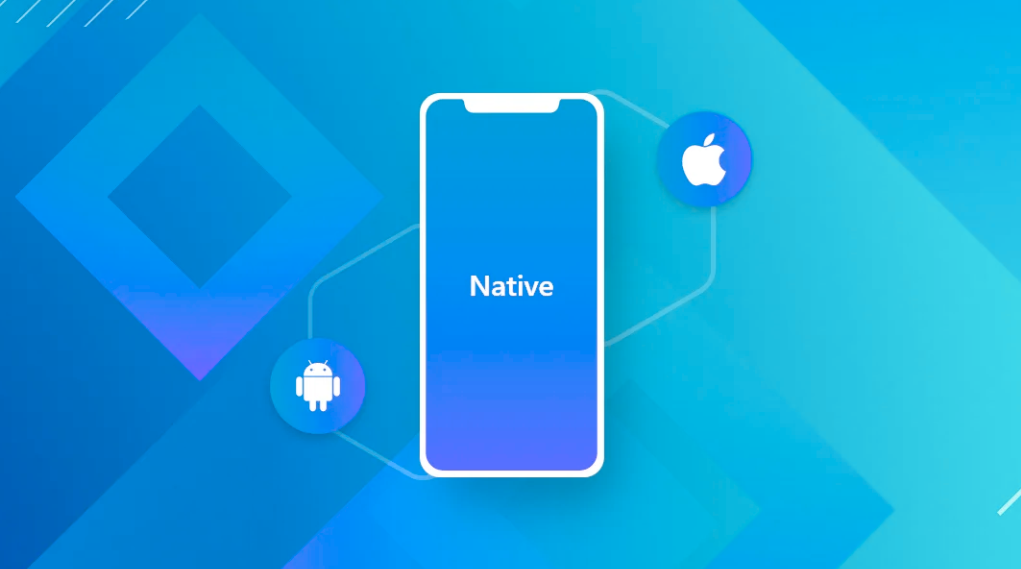
Native apps are designed specifically for platforms like iOS or Android, using platform-optimized code and user interfaces. This delivers:
- Faster performance
- Rich user experience
- Seamless integration with device features
Why Are Startups Now Choosing Native?
1. User Experience Drives Growth
Native apps provide smoother onboarding and reliable interactions. Today’s users expect features like biometrics, location services, and silky animations, which are impossible to deliver in basic MVPs.
2. First Impressions Now Matter More
With competitors launching polished products, a clunky MVP won’t cut it. Native ensures that your initial release “wows” users and keeps them engaged from the start.
3. Tools Make Native Fast
Modern frameworks like React Native allow cross-platform development with shared codebases so that startups can ship high-quality native apps on tight budgets and deadlines. Examples like Bloomberg, Uber Eats, and Myntra prove this trend with successful, scalable launches.
4. Investors Want Proof (Not Just Prototypes)
It’s not enough to show “an idea” anymore; investors want real traction and proof that your product works in the wild. Native apps enable startups to build market-ready solutions faster, providing better engagement data and happier early adopters.
5. Scalability and Reliability
Native builds support growth. If your MVP starts breaking down under real user loads, those problems snowball. Native tech stacks help you handle traffic spikes and iterate smoothly.
So is “MVP Is Dead” really true?
Let’s clear this up: the MVP concept isn’t obsolete, but the bar for what’s “viable” has risen sharply. Today’s MVP must:
- Look and feel like a professionally-built product
- Deliver immediate value, no excuses
- Integrate core platform features (push notifications, security, payments, etc.)
Startups still need to validate ideas before burning through resources. But now, “minimum viable” means minimum scope, maximum quality.
Why the Shift Is Happening Now
Modern users and investors know what “great” looks like. Competition is intense, tools for native development are affordable, and everyone expects more, especially in fast-moving markets like fintech, e-commerce, and social platforms.
The Lean Startup spirit isn’t gone; it’s evolving. Testing and learning still matter, but every public release must be ready for scrutiny and built for retention.
The Growing Divide: Native vs. MVP, What Startups Should Know
As we dig deeper into the “End of MVP Culture” trend, it’s important to separate hype from reality. Not every startup needs a massive budget or a six-month runway to launch. But ignoring market signals, cutting corners, and hoping users will “get it” simply does not work anymore. The native revolution is about accountability; your first release reflects your brand, and that matters more than ever in 2026.
Technology Is Leveling the Playing Field
Platforms like React Native, Flutter, and Swift’s new toolkits are making “native” accessible to more teams. Startups can build scalable, high-performance apps for iOS and Android swiftly and affordably. You don’t have to hire massive teams or reinvent the wheel; today’s frameworks handle much of the technical heavy lifting.
What does this mean for founders?
- You can launch with a truly native feel without breaking the bank or delaying your timeline.
- MVP doesn’t mean “ugly” anymore; it means focused and lean, but also polished and robust.
Why User Trust Is the New Currency
Customers expect security, seamless interaction, and features that “just work.” App stores, review sites, and social media make it easy for users to rate and compare. Startups live or die by word-of-mouth and app ratings. If your product feels incomplete, clunky, or unreliable, regaining user trust will be difficult and expensive.
Competitive startup founders know:
- Native isn’t just about technology; it’s about user confidence.
- A refined first version signals credibility.
- Quality retains users; MVP shortcuts drive them away.
Key Takeaways for Startups in 2026
- Native development is reachable, even in a lean startup environment, thanks to powerful new frameworks.
- MVP’s meaning has evolved: Users expect high standards even for early-stage products.
- Investors look for teams that balance urgency with excellence.
Real-World Action Steps for Startups
- Prioritize User Experience: Don’t compromise on design or reliability just to launch quickly. Use modern frameworks to deliver native-level quality.
- Validate with Real Users: Launch to a small audience with a complete feature set, gather data, and iterate fast.
- Speak the Language of Investors: Show traction, engaged users, retention metrics, and clear market fit.
- Plan for Scale: Choose architectures and frameworks that support growth rather than quick fixes.
Conclusion: Your Reality Check
It’s not about leaving MVPs behind; it’s about setting the bar higher for what counts as “minimum viable.” Startups choosing native (or near-native) development see better engagement, easier scaling, and more interest from investors. The shortcuts of the old MVP model just don’t work in 2026.
Ready to build something users love and launch your best work first? Don’t settle for “just ship it.” Make your startup stand out by delivering value with every click.
Want expert help building a standout native product that’s ready to impress investors and users from day one? “Let’s Talk” Diligentic Infotech and turn your idea into a success story.
FAQs
Is the MVP culture dead in 2026?
Not totally, but the old definition is gone. Startups now launch polished, near-production products as their “minimum.”
What’s the risk with a simple MVP now?
Low-quality MVPs risk poor first impressions, rapid user churn, and investor skepticism.
How does native development help startups?
Native apps offer speed, reliability, and a seamless user experience, making it easier to impress users and scale quickly.
Can startups still learn fast from early launches?
Absolutely! The key is to combine fast release cycles with serious attention to quality and usability. Cross-platform tools (React Native, Flutter) help here.
Are investors still interested in MVPs?
Investors want proof that your product works in the real world. MVPs can help, but only if “viable” means real value for real users.
What should founders do differently in 2026?
Focus on building a narrow feature set, but polish every detail. Validate with real users and make sure your MVP is “market-ready,” not just “market-present.”
Engage with our experts

Posted on 11 Jun 2026
10 Business Benefits of Custom Mobile Apps for Snow Removal Companies in Calgary
Custom Mobile Apps for Snow Removal help Calgary snow removal companies improve dispatching, crew coordination, route planning, customer communication, proof-of-service tracking, invoicing, and operational visibility. Unlike generic solutions, a custom-built platform is designed around your company’s exact workflow, helping reduce manual work, improve productivity, support AI-powered automation, and create a stronger foundation for long-term growth.

Posted on 9 Jun 2026
Custom Mobile Apps for Snow Removal Companies in Calgary: The 2026 Growth Guide
Custom Mobile Apps for Snow Removal companies help contractors manage dispatching, route planning, crew tracking, proof of service, customer communication, billing, and reporting from a centralized system. For Calgary snow removal businesses dealing with unpredictable winter conditions, custom software can reduce manual work, improve operational visibility, support AI-powered automation, and create a scalable foundation for long-term growth.

Posted on 7 May 2026
Fitness App Development Company: Costs, Features, and How to Build the Right App
A fitness app development company helps gyms, trainers, wellness businesses, and fitness startups plan, design, build, test, and maintain custom mobile products. The right partner should define the scope, choose the technical stack, build the mobile and administrative systems, and prepare the product for real users.

Start A Conversation About Your Project
Tell us what you are trying to build and any key details we should know.
What you can expect:
Reply within 1 business day
Confidential inquiry
NDA available on request
Call us
+1 (825) 760 1797
hello[at]diligentic[dot]com
Tell us about Your Project
Just a few details to get started.